
ChatGPT Ads Is Here: How Ads in the Chat Work
Published September 2, 2026

John Axelsson · Founder and CEO, BBO
Last week OpenAI began rolling out ads in ChatGPT in Sweden. Tests that started in the US in February 2026 have expanded to more countries over the summer, and now Swedish companies get a new place to be seen. Here we cover what OpenAI has said, how the ads work, and what sets them apart from the advertising you're used to.
The first time OpenAI lets ads in
For OpenAI, this is an entirely new revenue stream. Previously, the money came mainly from subscriptions and the API, but now the company is bringing ads into the product itself. The tests started on February 9, 2026 in the US and have since expanded to the UK, Mexico, Brazil, Japan and South Korea, among others, during the summer of 2026.
The ads are shown to Free and Go users assessed to be 18 or older, and can appear in both logged-in and logged-out modes. Paying users on Plus, Pro, Business, Enterprise and Edu see no ads at all. OpenAI also doesn't show ads in conversations about health, mental health or politics, and political advertising isn't currently allowed at all.
What the ads look like in the chat
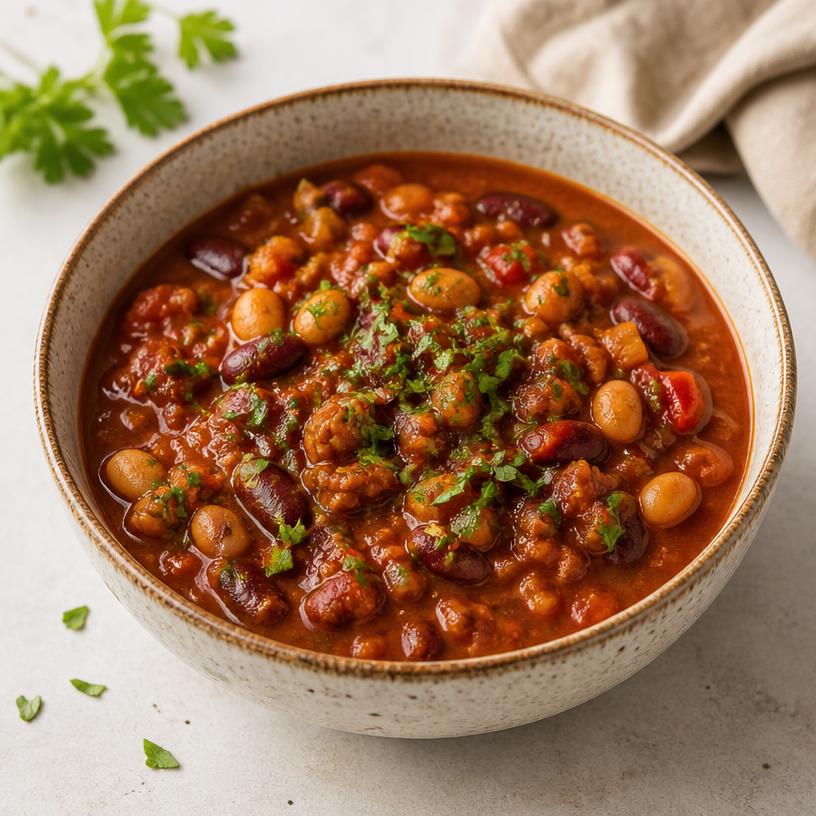
The ad appears in the middle of a conversation, as a card right below ChatGPT's answer. The format is called a chat card and includes the advertiser's name, a favicon, a headline, short body text, an image and a landing page. The card sits in a tinted, labeled box so it's clear that it's an ad and separate from ChatGPT's own answer.
Tips for your party stew
- •If you're unsure about dietary needs, make one chicken stew and one vegetarian.
- •Label allergens if you can, guests quietly appreciate it a lot.
If you'd like, tell me how many you are, whether you have a slow cooker or oven, and any dietary restrictions, and I'll put together the perfect dish for your group.
Solberga Skafferi
Sponsored
Party Stew Chili & Beans
In stock · SEK 129
25–35 minutes
Enchiladas Verde Kit
In stock · SEK 149
15–25 minutes
How the ads are matched to the conversation
The ads are matched to what the conversation is about. The advertiser specifies which contexts the ad fits, such as topics, situations and keywords, and the system matches this against the ongoing conversation and the content of the landing page. The words act as cues that guide placement, but in a broader and less precise way than keywords in Google.
The matching is therefore based on the situation at that moment, such as topic, approximate location, device, time and language, and relies on legitimate interest under GDPR. Personalized ads, which take previous conversations and memory into account, aren't available in the EEA or Switzerland initially.
As an advertiser, you don't get access to customers' chats, history, memory or personal data. You see aggregated statistics such as impressions, clicks and conversions. But if a customer messages an advertiser directly through an ad, the advertiser sees the messages you send.
What sets ChatGPT Ads apart from Google Ads?
Google captures intent the moment you search for a word or phrase. ChatGPT instead meets you in the middle of a reasoning process, sometimes after a longer conversation and sometimes after just a single clear question. Some of the main differences are:
- 1
Context determines whether you show up. Google relies on keywords that signal intent. In ChatGPT Ads you provide so-called context hints, and the system places the ad where the context fits.
- 2
The ad doesn't influence the answer. OpenAI calls this principle Answer Independence: a paid placement can't steer what ChatGPT says in its organic answer. This addresses the concern that AI answers could be bought.
- 3
Less transparency for advertisers. Transparency is still more limited than in Google Ads. Advertisers see no personal data and no demographic groups; you only get a rough sense of which conversations the ad appeared in.
- The keyword signals intent
- Detailed statistics and demographics
- Established volumes and benchmarks
- Context hints guide the placement
- Aggregated statistics without individual data
- A new format, few benchmarks yet
What can you expect as an advertiser?
At this stage it's smart to see it as a test and an opportunity to be first to market. According to industry experts, click-through rates are lower than on Google search in markets where data already exists, while the traffic is described as more qualified, since the user is already in the middle of a comparison.
ChatGPT advertising suits things that require research best, such as B2B SaaS, travel and education. Regulated areas like finance, health and law are restricted outside the US. Take the numbers with a grain of salt, since they're fresh and still moving.
A new category to watch
ChatGPT Ads is the start of advertising inside AI assistants. For marketers, it opens up an entirely new place to meet customers right at the decision moment, when they're comparing options and approaching a purchase. At the same time, partly new rules apply for data, measurement and visibility compared with the channels you're used to.
Showing up organically, meaning being mentioned in the AI's own answers, and showing up through ads serve different roles and reinforce each other. The more clearly you're present both ways, the greater the chance the customer finds you and converts.
'%3e%3cpath%20d='M64%20128C99.346%20128%20128%20156.654%20128%20192C128%20227.346%2099.346%20256%2064%20256C28.654%20256%200%20227.346%200%20192C0%20156.654%2028.654%20128%2064%20128ZM192%20128C227.346%20128%20256%20156.654%20256%20192C256%20227.346%20227.346%20256%20192%20256C156.654%20256%20128%20227.346%20128%20192C128%20156.654%20156.654%20128%20192%20128ZM64%200C99.346%200%20128%2028.654%20128%2064C128%2099.346%2099.346%20128%2064%20128C28.654%20128%200%2099.346%200%2064C0%2028.654%2028.654%200%2064%200ZM192%200C227.346%200%20256%2028.654%20256%2064C256%2099.346%20227.346%20128%20192%20128C156.654%20128%20128%2099.346%20128%2064C128%2028.654%20156.654%200%20192%200Z'%20fill='%23D9D0C7'/%3e%3c/g%3e%3cdefs%3e%3cclipPath%20id='clip0_277_17'%3e%3crect%20width='256'%20height='256'%20fill='white'/%3e%3c/clipPath%3e%3c/defs%3e%3c/svg%3e)

ChatGPT Ads
We help you reach the right audience with ads in ChatGPT, with messaging and measurement that connect with the rest of your marketing.
Read moreRead more
All articles- Industry newsAdvertisingAISix months of AI in the ad account – what works?
- KnowledgeSEO/GEOAISEO for ChatGPT: How to Improve Your Visibility
- Industry newsAIAI frees up time on the marketing team – but for what?
 AI assistant